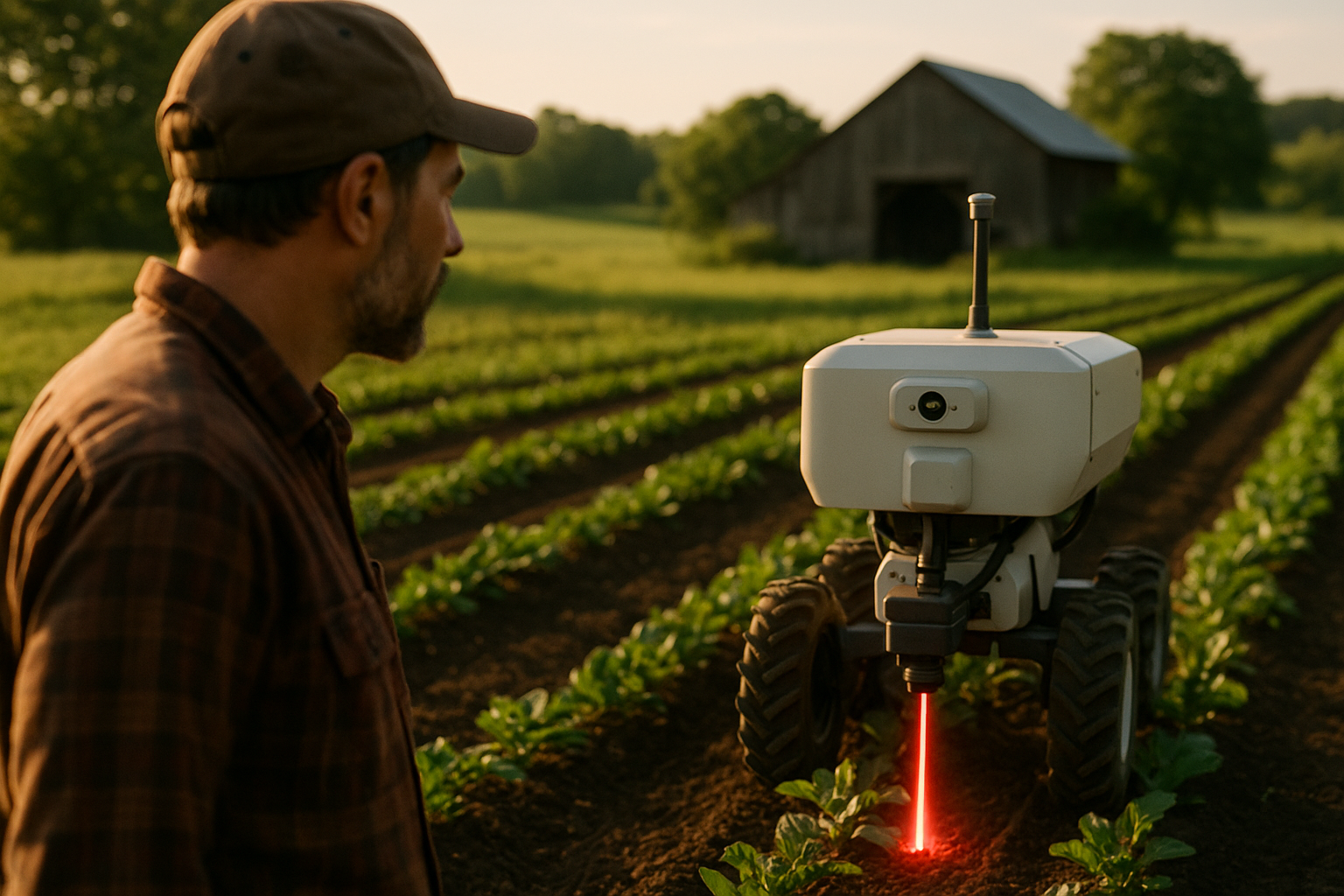
Navigating U.S. Robotics Regulations: Ensuring Compliance Without Sacrificing Market Speed
Navigating U.S. Robotics Regulations is becoming a core product discipline, not a late-stage legal check. Unlike more centralized approaches abroad, U.S. robotics compliance is shaped by a patchwork of robotics regulations, U.S. automation laws, sector rules, and evolving AI regulations—making market speed in robotics harder to sustain without a plan.
For builders of industrial robots compliance programs often hinge on safety standards, workplace requirements, and customer audits. For service robots compliance, the risk profile expands to privacy, cybersecurity, consumer protection, and artificial intelligence compliance—especially when robots learn, see, or make recommendations. This is why smart machines compliance and U.S. robot technology compliance now influence product roadmaps, data pipelines, and update policies.
Design for compliance in automation: document hazard analysis, human-robot interaction limits, and secure-by-default architecture.
Operationalize AI and robotics compliance: model governance, dataset provenance, and post-deployment monitoring to support regulatory compliance in robotics.
Use robotics compliance strategies to protect market speed: pre-audit suppliers, standardize test evidence, and align contracts to robot technology regulations and automation industry regulations.
Why it matters: companies that master balancing compliance and speed can ship faster, reduce recalls, and win enterprise deals in warehouses, hospitals, and retail—where robotics industry regulations and buyer trust increasingly determine adoption.